Tender Teardown
This analysis of Tender C1 reveals a dossier laden with significant commercial risks, from extended warranty obligations to ambiguous long-term durability requirements.
Tender Teardown: C1 - Unpicking Long-Term Liabilities and Hidden Site Risks
This analysis of Tender C1 reveals a dossier laden with significant commercial risks, from extended warranty obligations to ambiguous long-term durability requirements. Contractors, QSs, and bid managers must scrutinise these clauses to avoid unforeseen costs and protracted disputes.
The C1 tender dossier presents a series of commercial challenges that demand careful attention from any prospective bidder. While every tender carries inherent risk, this particular package contains several clauses that could significantly impact project profitability and long-term liability if not thoroughly understood and mitigated.
Our teardown focuses on the practical implications of these risks, moving beyond boilerplate language to identify where commercial exposure truly lies. For contractors, quantity surveyors, and bid managers, the objective is to price accurately, manage expectations, and protect the business from carrying undue burdens.
Addenda and Revision Mismatch: Bidding on Outdated Information
High · RISK-02
A fundamental commercial risk in any tender process is the potential for bidding against superseded or incomplete information. When addenda or revisions are not clearly reconciled, or a version mismatch exists, the contractor faces the immediate danger of mispricing the works or basing their methodology on requirements that are no longer current.
This isn't merely an administrative oversight; it's a direct route to variations, claims, and programme delays. If the submitted price is based on an earlier, less onerous version of the requirements, the cost of compliance with the actual, later version will fall squarely on the contractor, eroding profit margins and potentially leading to disputes over scope definition.
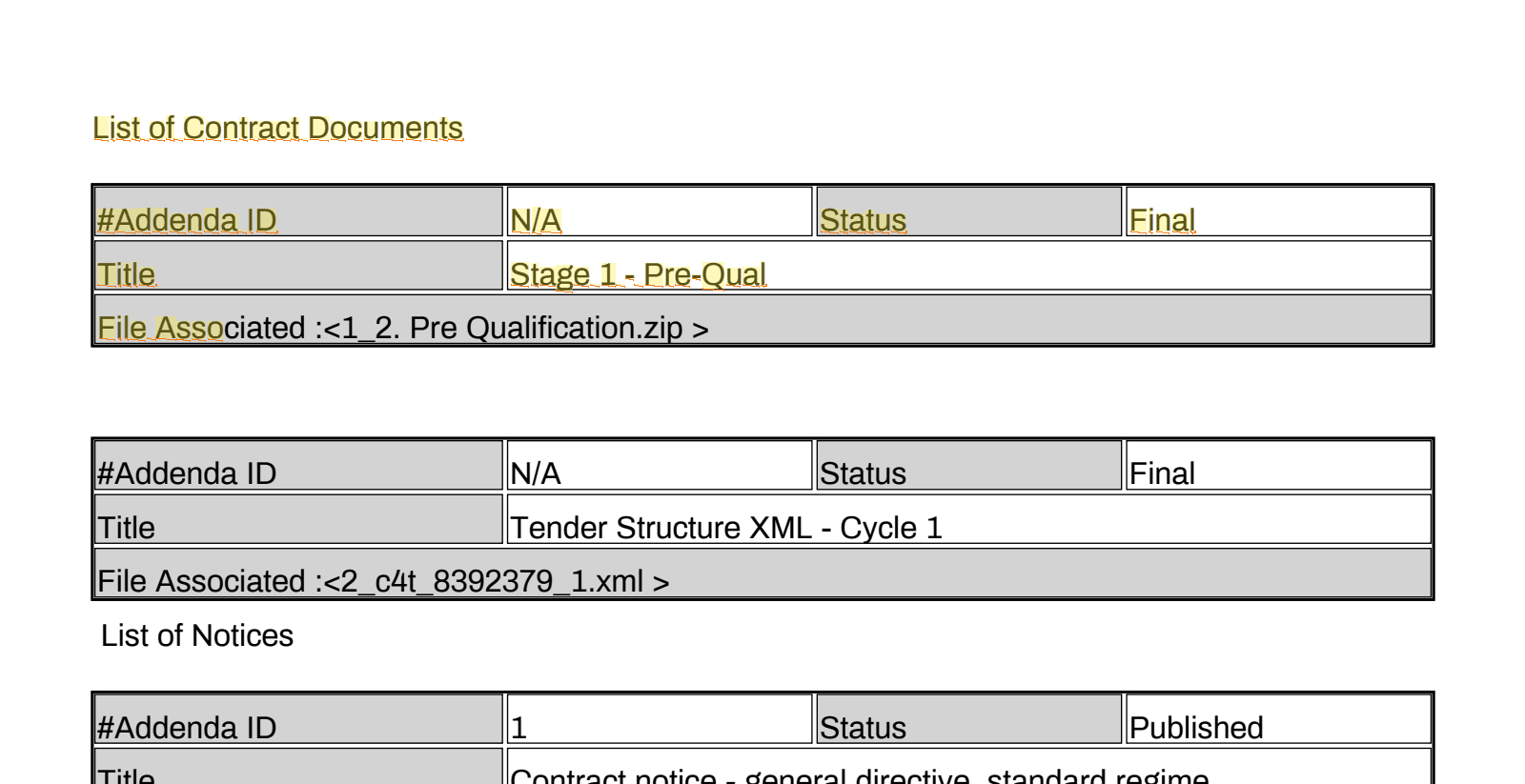
2148_8392379.pdf List of Contract Documents #Addenda ID N/A Status Final Title Stage 1 - Pre-Qual File Associate
What we'd do: Implement a rigorous document control process. Cross-reference all addenda against the original tender documents and ensure the latest versions of all relevant schedules and specifications are used for pricing. Raise a formal query if any discrepancies or missing version controls are identified.
Extended Warranty Responsibility for Third-Party Equipment
High · RISK-07
The dossier indicates that the developer/builder retains responsibility for all warranties, servicing, repairs, and emergency call monitoring for third-party equipment, specifically lifts, for the entire defects period. This is a significant commercial overreach, as it holds the contractor accountable for the performance and maintenance of equipment supplied and installed by others, long after their direct involvement.
This clause creates a substantial liability tail. Should the OEM/installer fail to perform, become insolvent, or dispute their obligations, the financial burden for rectifying issues, providing servicing, or responding to emergencies will revert to the contractor. This exposure can extend for years, potentially outstripping the original profit margin on the installation itself and creating an uninsured risk if not properly cascaded.
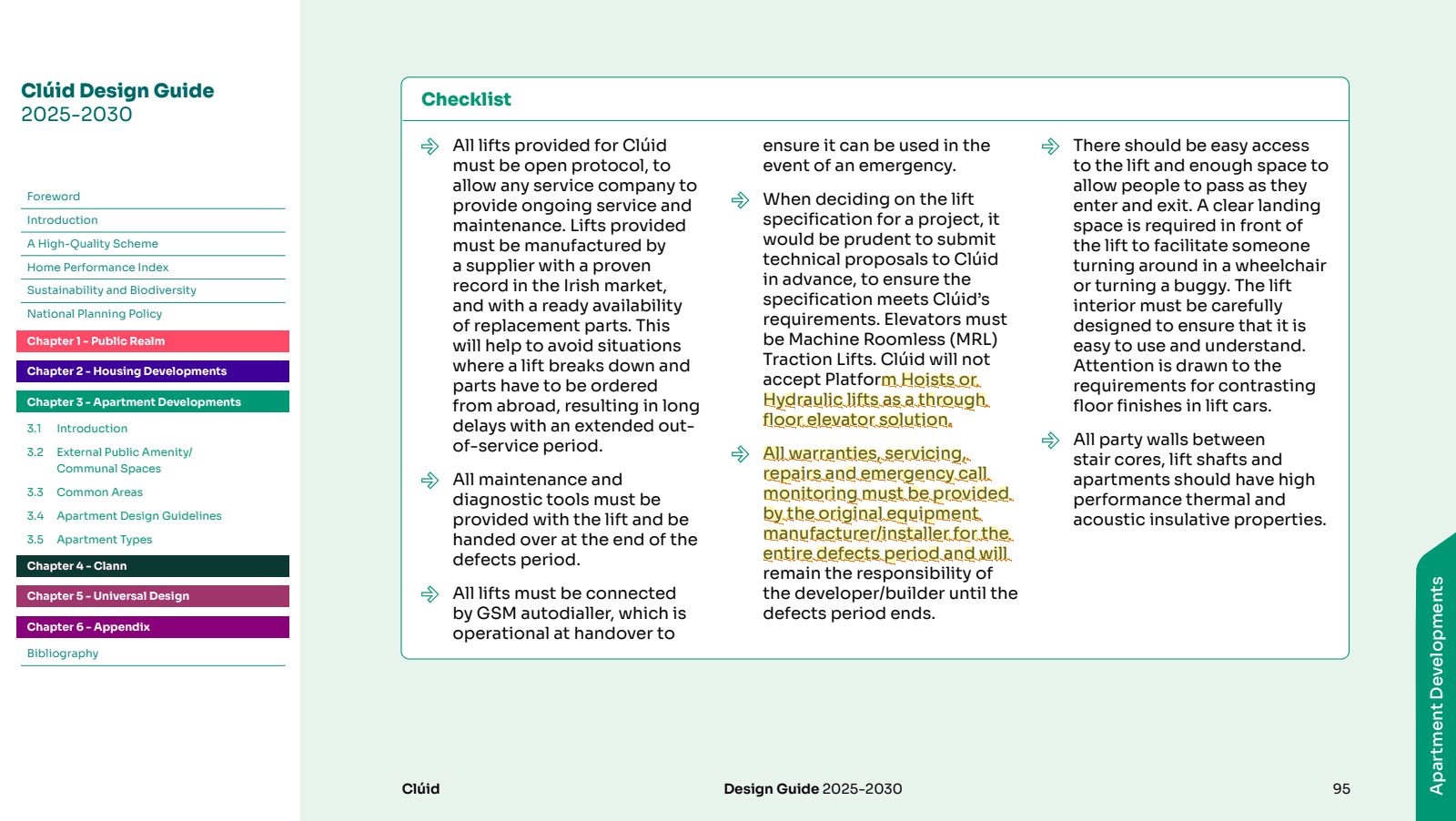
All warranties, servicing, repairs and emergency call monitoring must be provided by the original equipment manufacturer/installer for the entire defects period and will remain the responsibility of the developer/builder until the defects period ends.
What we'd do: Ensure robust, back-to-back agreements are in place with all OEM/installers that precisely mirror these extended obligations. Verify that sub-contractor warranties and insurance provisions align with the main contract. Price in a contingency for managing this extended liability, or seek to limit responsibility to ensuring the OEM/installer is contractually appointed and performing, rather than retaining ultimate liability for their actions.
Uncertainty of Existing Site Conditions: Hidden Costs Below Ground
High · RISK-04
The tender documents highlight the need to carefully investigate existing site conditions such as flooding, contamination, and ecology to mitigate additional costs or design alterations. This phrasing places the onus on the contractor to undertake thorough due diligence, but crucially, it also signals a potential lack of comprehensive baseline data from the employer.
Without clear risk allocation for latent or unforeseen ground conditions, the commercial default is that the contractor carries the risk. Encountering unexpected contamination, unstable ground, or unrecorded services can lead to significant cost overruns for remediation, specialist investigations, and programme delays. This is a classic area for variations and disputes if the tender price does not adequately account for the unknown.
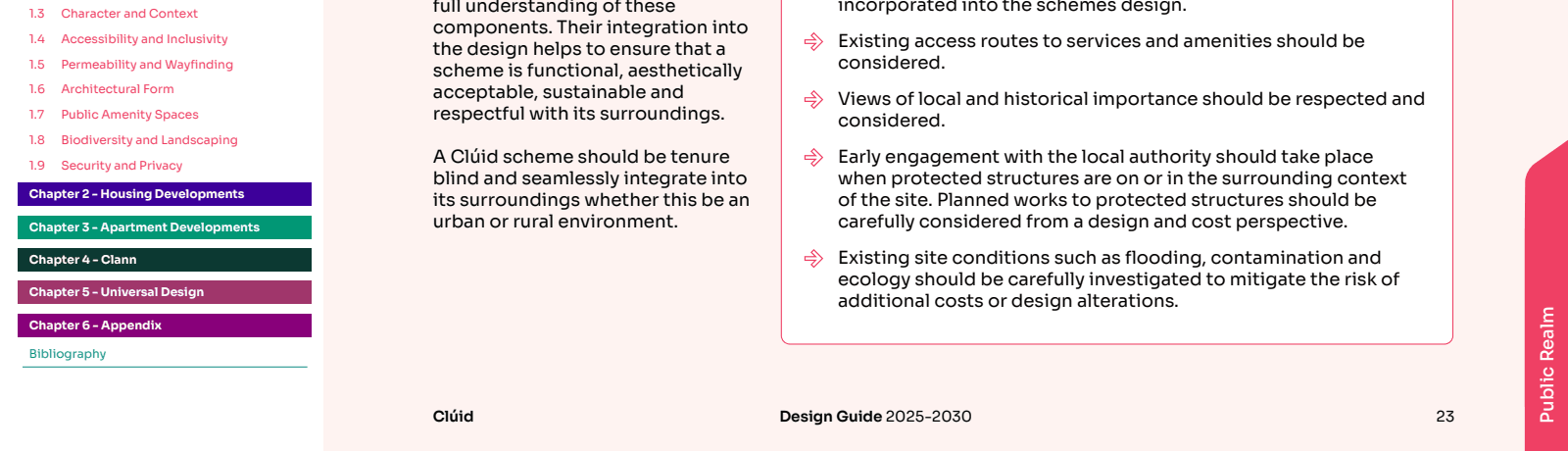
Existing site conditions such as flooding, contamination and ecology should be carefully investigated to mitigate the risk of additional costs or design alterations.
What we'd do: Request all available site investigation reports, environmental surveys, and historical data. If insufficient, price the risk of unforeseen conditions explicitly, or raise a pre-tender query to seek clarification on the employer's position regarding latent conditions and the mechanism for compensation events. Consider a site visit with specialist consultants if feasible within the tender period.
Undiscovered Invasive Species and Unmanaged Ecology: Compliance and Delay Risk
High · RISK-04
The requirement for a qualified professional to survey for and fully remove any invasive or reportable species before any works begin on site presents a clear commercial risk. If such species are present and not identified or managed correctly, the project faces significant delays and specialist remediation costs.
Beyond the direct cost of removal, there are compliance risks associated with handling invasive species, which can lead to fines or legal action if not managed according to current industry guidelines. The programme impact of discovering extensive infestations late in the process can be substantial, pushing back critical path activities and incurring preliminary and general costs.
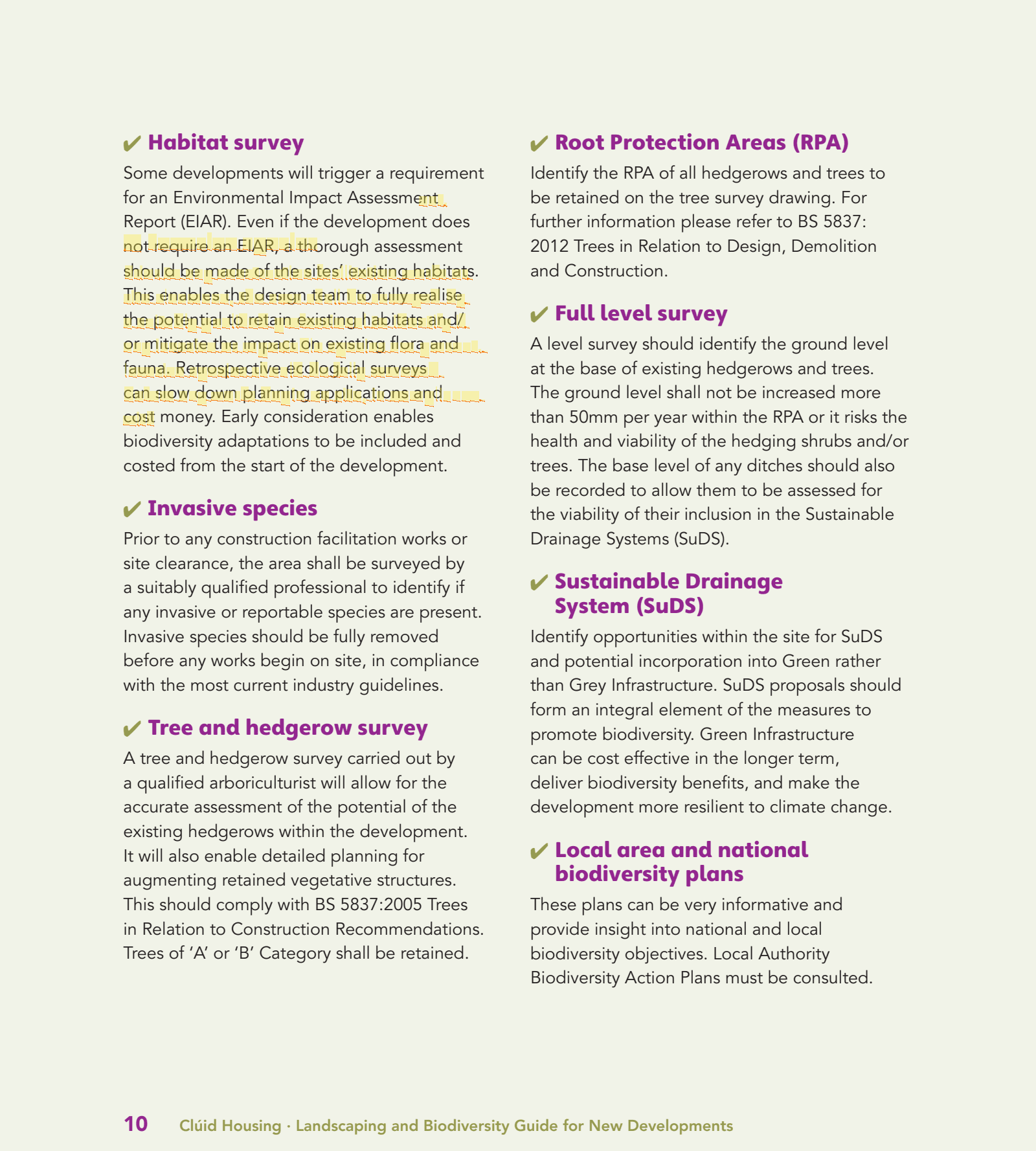
Prior to any construction facilitation works or site clearance, the area shall be surveyed by a suitably qualified professional to identify if any invasive or reportable species are present. Invasive species should be fully removed before any works begin on site, in compliance with the most current industry guidelines.
What we'd do: Engage an ecological consultant during the tender period to review available information and advise on the likelihood of encountering invasive species. Price in a contingency for surveys and potential removal, or seek clarification on the employer's baseline data and risk ownership for any species discovered post-contract award.
Extended and Ambiguous Defects Liability for Landscape Works
High · RISK-11
The defects liability period for landscape works is specified as a 12-month aftercare period, commencing only from the practical completion of all landscape works. This means that areas completed early in the programme could remain under contractor liability for significantly longer than 12 months, extending exposure and delaying the release of retention for those sections.
Furthermore, the contractor is explicitly liable for replacing trees damaged by 'maintenance operations' at their own expense. This clause is commercially problematic due to its ambiguity. 'Maintenance operations' could be performed by the client or a third party, and proving causation (e.g., poor workmanship versus external damage) becomes a significant challenge. This creates an open-ended liability for plant health and replacement, potentially leading to disputes over responsibility and unexpected costs.
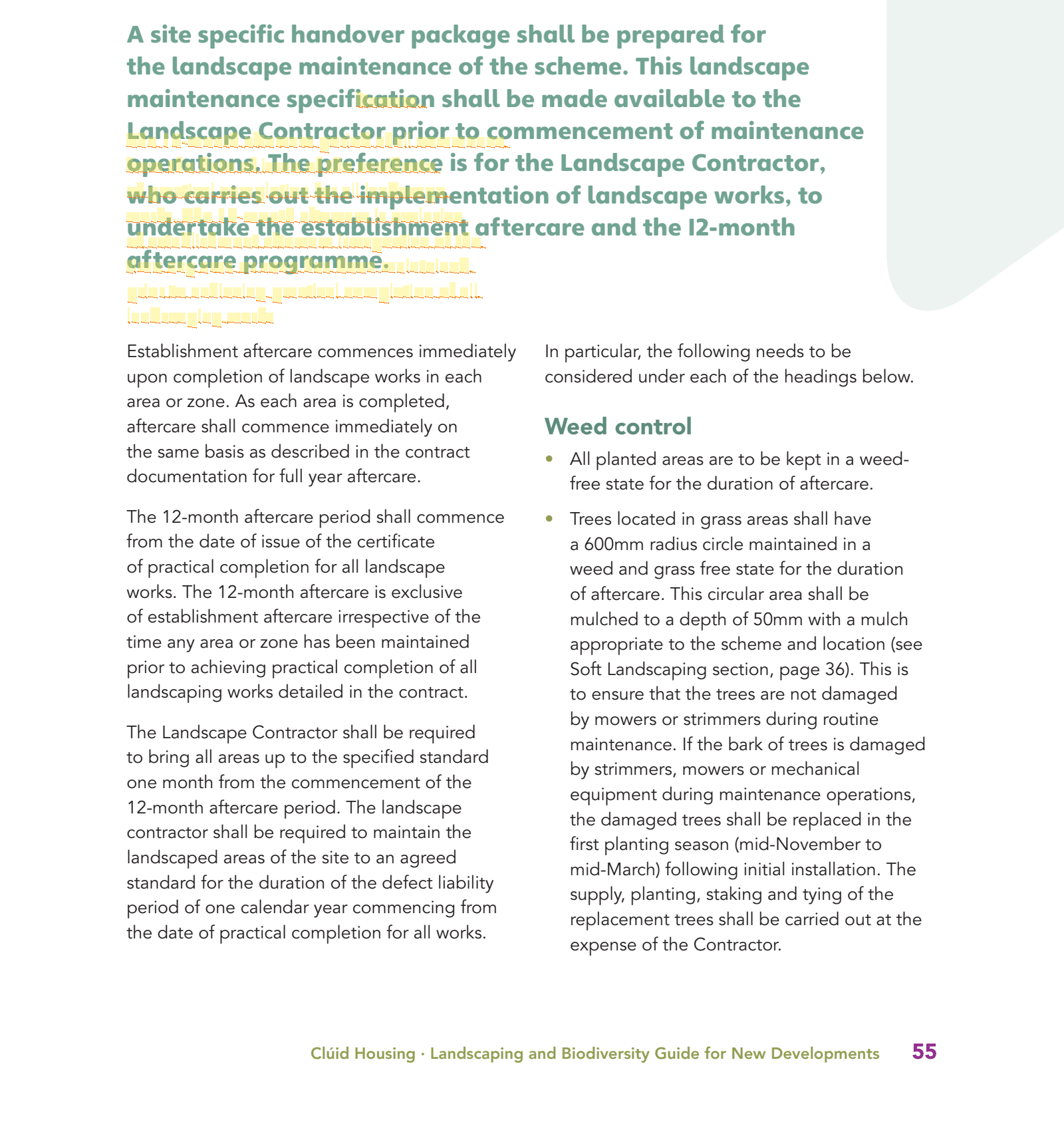
The 12-month aftercare period shall commence from the date of issue of the certificate of practical completion for all landscape works. The 12-month aftercare is exclusive of establishment aftercare irrespective of the time any area or zone has been maintained prior to achieving practical completion of all landscaping works detailed in the contract.
If the bark of trees is damaged by strimmers, mowers or mechanical equipment during maintenance operations, the damaged trees shall be replaced in the first planting season (mid-November to mid-March) following initial installation. The supply, planting, staking and tying of the replacement trees shall be carried out at the expense of the Contractor. ...
What we'd do: Seek clarification on the definition of 'maintenance operations' and the mechanism for attributing damage. Propose phased practical completion for landscape zones to align aftercare periods with actual completion dates. Price in a robust contingency for extended aftercare and potential plant replacement, or negotiate a clearer definition of liability for damage caused by others.
Long-Term Durability Requirements with Ambiguous Maintenance Standards
Critical · RISK-11
This dossier includes a critical clause requiring key construction elements, including structural components, floors, roofs, and even plumbing, to have minimum lifespans ranging from 20 to 60 years. This is qualified by the phrase 'with normal level of maintenance,' which is a significant commercial red flag.
The ambiguity of 'normal level of maintenance' creates a substantial, decades-long liability for the contractor. Proving that a failure after 30 or 60 years is due to inadequate maintenance by the client, rather than an original defect, will be incredibly challenging and costly. This clause opens the door to protracted disputes and significant financial exposure far into the future, well beyond typical defects liability periods. It is a critical risk that could impact the business for generations.
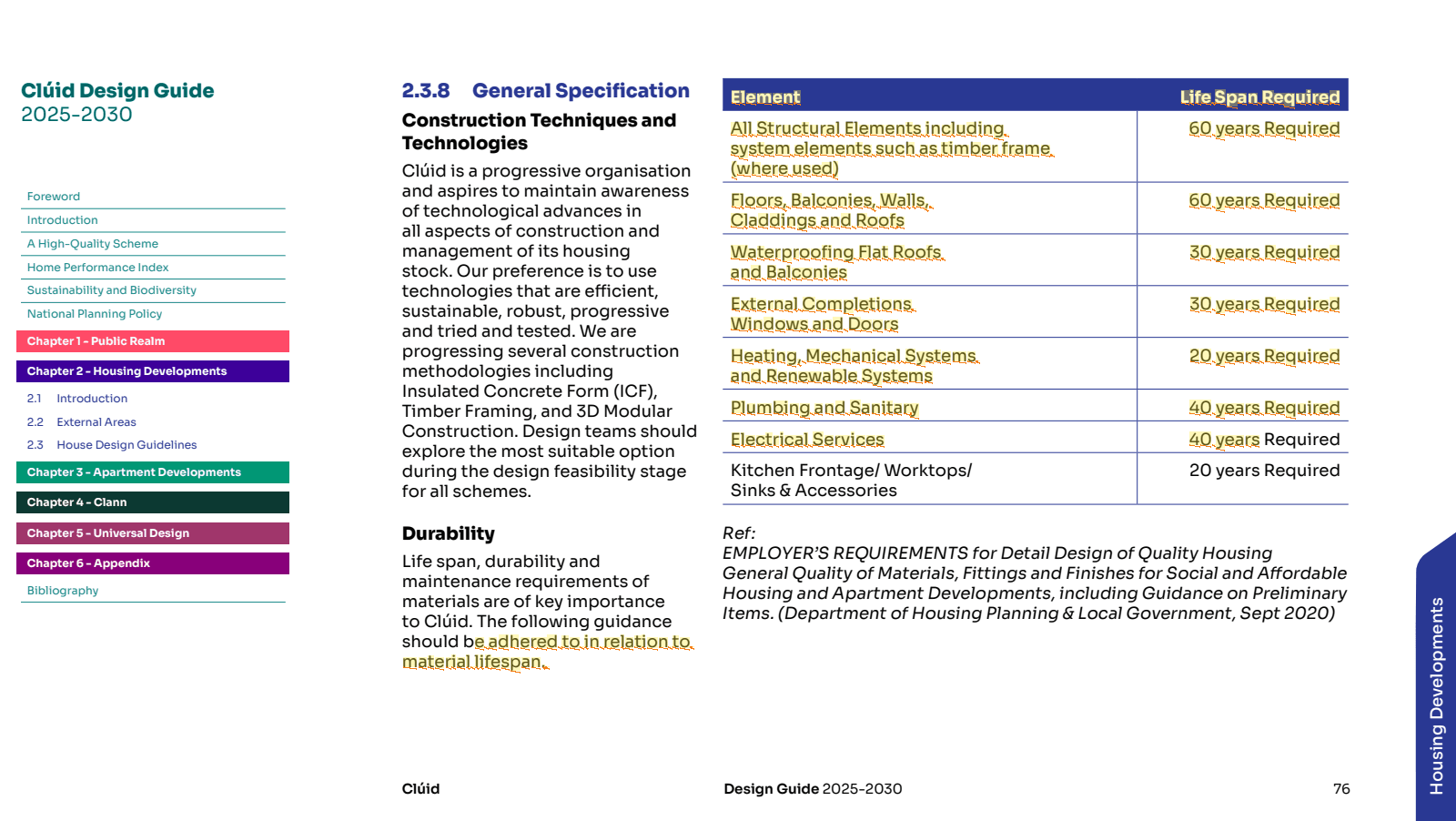
The housing unit and all key elements of the construction is required to have a minimum lifespan of 60 years with normal level of maintenance.
Element Life Span Required All Structural Elements including system elements such as timber frame (where used) 60 years Required Floors, Balconies, Walls, Claddings and Roofs 60 years Required Waterproofing Flat Roofs and Balconies 30 years Required External Completions Windows and Doors 30 years Required Heating, Mechanical Systems and Renewable Systems 20 years Required Plumbing and Sanitary 40 years Required Electrical Services 40 years Required Kitchen Frontage/ Worktops/ Sinks & Accessories 20 years Required
What we'd do: This clause requires immediate escalation. Request a clear, detailed schedule defining 'normal level of maintenance' for each element with a specified lifespan. Propose a mechanism for regular inspections and documented maintenance records to establish a clear audit trail. Without such clarity, the long-term commercial exposure is extreme and difficult to price or insure against.
The rest of the picture
Beyond these featured items, the dossier contains a further 11 open risks, including onerous bond and insurance obligations, specialist capacity shortages, unclear scope boundaries with other service providers, and subjective client satisfaction criteria for quality. Each of these warrants careful review to ensure a comprehensive understanding of the commercial landscape.
Takeaways
- Scrutinise Long-Term Liabilities: Pay particular attention to extended warranty periods and multi-decade durability requirements. These are not standard and carry significant, long-term commercial exposure.
- Clarify Ambiguous Terms: Clauses like 'normal level of maintenance' or 'maintenance operations' are ripe for dispute. Seek explicit definitions or propose clear mechanisms for liability and causation.
- Address Site Condition Uncertainty: Do not carry the risk of unknown ground conditions silently. Request all available data and clarify risk ownership for latent conditions.
- Robust Document Control: Ensure all addenda and revisions are meticulously tracked and incorporated into your bid to avoid mispricing based on outdated information.
- Back-to-Back Agreements: For any third-party obligations, ensure your sub-contract agreements precisely mirror and flow down the main contract requirements to avoid carrying uninsured or unrecoverable risk.